
Anaemia, a widespread health concern, involves insufficient red blood cells or dysfunctional ones, impacting oxygen transport. Various types exist,
from iron deficiencies to genetic disorders, each with unique causes and treatments. Understanding these distinctions is crucial for effective management and improved patient outcomes.
What is Anaemia?
Anaemia isn’t a single disease, but rather a condition marked by a lower-than-normal number of red blood cells or a reduced amount of haemoglobin within those cells. Haemoglobin, a protein in red blood cells, carries oxygen from the lungs to the body’s tissues. Consequently, anaemia leads to insufficient oxygen delivery, causing fatigue, weakness, and shortness of breath;
Several classifications exist, including iron-deficiency anaemia, the most common type, stemming from insufficient iron. Vitamin deficiencies, like B12 or folate, also contribute. Genetic disorders, such as sickle cell anaemia and thalassemia, impact haemoglobin structure. Acquired anaemias, like aplastic or haemolytic anaemia, arise from other conditions or factors. Understanding the specific type is vital for targeted treatment.
Prevalence and Global Impact
Anaemia significantly impacts global public health, affecting a substantial portion of the world’s population. The World Health Organization estimates that over 1.62 billion people worldwide suffer from anaemia, with the highest prevalence observed in low- and middle-income countries. Women of reproductive age and young children are particularly vulnerable.
Iron deficiency anaemia accounts for a large percentage of cases, often linked to inadequate dietary intake and parasitic infections. The consequences extend beyond individual health, impacting economic productivity and societal development. Addressing anaemia requires comprehensive strategies, including improved nutrition, supplementation programs, and control of underlying causes like infections and chronic diseases.

Types of Anaemia: An Overview
Anaemia manifests in diverse forms, categorized by cause and red blood cell characteristics. These include iron-deficiency, vitamin deficiencies, genetic disorders, and acquired conditions, each requiring specific diagnosis.
Iron Deficiency Anaemia
Iron deficiency anaemia is the most prevalent type globally, arising from insufficient iron to produce adequate haemoglobin, the oxygen-carrying protein in red blood cells. This deficiency can stem from inadequate dietary intake of iron-rich foods, impaired iron absorption in the gut, or chronic blood loss – such as from heavy menstruation, ulcers, or internal bleeding.
Symptoms often develop gradually, initially presenting as fatigue, weakness, and pale skin. As the deficiency progresses, individuals may experience shortness of breath, dizziness, headaches, and cold hands and feet. Diagnosis typically involves a Complete Blood Count (CBC) revealing low haemoglobin and haematocrit levels, alongside assessments of iron stores like serum ferritin. Addressing this anaemia requires identifying and treating the underlying cause, alongside iron supplementation to replenish depleted reserves.
Causes of Iron Deficiency
Iron deficiency develops through multiple pathways. Inadequate dietary intake, particularly of bioavailable heme iron found in animal products, is a common contributor. Impaired absorption, due to conditions like celiac disease or gastric bypass surgery, hinders iron uptake.
Chronic blood loss is a significant factor, often stemming from heavy menstrual periods in women, gastrointestinal bleeding from ulcers or colon cancer, or frequent blood donations. Increased iron requirements during periods of rapid growth, such as infancy and pregnancy, can also lead to deficiency if intake doesn’t match demand. Identifying the specific cause is crucial for targeted intervention and effective treatment.
Symptoms and Diagnosis
Iron deficiency anaemia presents with a range of symptoms, often developing gradually. Fatigue, weakness, and pale skin are common initial signs. Other indicators include shortness of breath, dizziness, headaches, and cold hands and feet. Less frequent symptoms involve brittle nails, pica (cravings for non-food items), and restless legs syndrome.
Diagnosis typically begins with a complete blood count (CBC), revealing low haemoglobin and haematocrit levels. Further tests, such as serum ferritin, serum iron, and total iron-binding capacity (TIBC), help confirm the diagnosis and assess iron stores. A peripheral blood smear can show characteristic red blood cell changes.
Vitamin Deficiency Anaemias
Vitamin deficiency anaemias arise from inadequate intake or absorption of essential vitamins, primarily Vitamin B12 and folate. These vitamins are crucial for red blood cell production and proper neurological function. Deficiencies disrupt DNA synthesis in red blood cell precursors, leading to abnormally large, immature cells.
Vitamin B12 deficiency often stems from pernicious anaemia – an autoimmune condition affecting absorption – or dietary limitations. Folate deficiency can result from poor diet, malabsorption syndromes, or certain medications. Both deficiencies manifest with similar symptoms, including fatigue, weakness, and neurological problems.
Vitamin B12 Deficiency (Pernicious Anaemia)
Pernicious anaemia, a specific type of Vitamin B12 deficiency, is an autoimmune disorder where the body attacks parietal cells in the stomach. These cells produce intrinsic factor, essential for Vitamin B12 absorption in the small intestine. Without intrinsic factor, Vitamin B12 cannot be adequately absorbed, leading to deficiency and subsequent anaemia.
Symptoms extend beyond typical anaemia signs like fatigue and weakness, often including neurological symptoms such as numbness, tingling, difficulty walking, and cognitive changes. Diagnosis involves blood tests to assess Vitamin B12 levels and detect antibodies against intrinsic factor. Treatment typically involves lifelong Vitamin B12 injections or high-dose oral supplementation.
Folate Deficiency Anaemia
Folate deficiency anaemia arises from insufficient intake of folate (Vitamin B9), impaired absorption, or increased demand. Unlike Vitamin B12 deficiency, neurological symptoms are less common. Common causes include poor diet, certain medications, malabsorption syndromes like celiac disease, and increased needs during pregnancy.
Symptoms mirror other anaemias – fatigue, weakness, shortness of breath – but may also include a sore mouth and tongue; Diagnosis involves a blood test measuring folate levels. Treatment focuses on increasing folate intake through dietary changes (leafy greens, citrus fruits) and/or folate supplementation. Prompt treatment is crucial, especially during pregnancy, to prevent neural tube defects in the developing fetus.
Genetic and Haemoglobin Disorders
Genetic and haemoglobin disorders represent a significant category of anaemias, stemming from inherited defects affecting haemoglobin structure or production. These conditions often require lifelong management. Sickle cell anaemia, a prime example, causes red blood cells to become rigid and sickle-shaped, leading to chronic anaemia, pain crises, and organ damage.
Thalassemia encompasses a group of disorders reducing haemoglobin chain production. Severity varies widely, from mild anaemia to life-threatening conditions requiring regular blood transfusions. Diagnosis involves haemoglobin electrophoresis and genetic testing. Treatment strategies include blood transfusions, iron chelation therapy, and, in some cases, bone marrow transplantation.
Sickle Cell Anaemia
Sickle cell anaemia is an inherited red blood cell disorder where haemoglobin is abnormal, causing cells to become rigid and sickle-shaped. These sickled cells block small blood vessels, leading to pain, organ damage, and chronic anaemia. Symptoms typically appear in infancy and include fatigue, jaundice, and frequent infections.
Diagnosis involves a blood test called a haemoglobin electrophoresis. Management focuses on pain control, preventing infections, and preventing complications like stroke. Treatments include pain medications, blood transfusions, and hydroxyurea, a medication increasing fetal haemoglobin production. Bone marrow transplant offers a potential cure, but carries significant risks.
Thalassemia
Thalassemia represents a group of inherited blood disorders characterized by reduced or absent production of haemoglobin. This deficiency leads to anaemia, varying in severity depending on the specific type. Alpha and beta thalassemia are the most common forms, categorized by which globin chain is affected.
Symptoms range from mild fatigue to severe life-threatening anaemia. Diagnosis involves blood tests, including a complete blood count and haemoglobin electrophoresis. Treatment options include regular blood transfusions, iron chelation therapy to manage iron overload from transfusions, and potentially bone marrow transplantation in severe cases.
Acquired Anaemias
Acquired anaemias develop after birth, unlike genetic forms. These arise from various factors impacting red blood cell production or survival. Aplastic anaemia occurs when the bone marrow fails to produce enough blood cells, often due to autoimmune diseases, infections, or medications.
Haemolytic anaemia results from premature destruction of red blood cells, caused by autoimmune reactions, infections, or mechanical factors. Diagnosis involves blood tests and bone marrow examination. Treatment varies based on the cause, including immunosuppressants, blood transfusions, or splenectomy in some cases of haemolytic anaemia.
Aplastic Anaemia
Aplastic anaemia is a rare, serious condition where the bone marrow stops producing sufficient new blood cells. This deficiency impacts red blood cells, white blood cells, and platelets, leading to fatigue, frequent infections, and easy bleeding. Causes include autoimmune diseases, viral infections, exposure to toxic chemicals, and certain medications.
Diagnosis involves a bone marrow biopsy to confirm the marrow’s failure. Treatment options range from supportive care like blood transfusions and infection control, to more aggressive approaches like immunosuppressive therapy or bone marrow transplantation, aiming to restore blood cell production.
Haemolytic Anaemia
Haemolytic anaemia occurs when red blood cells are destroyed faster than the bone marrow can replace them. This destruction can be intrinsic to the red blood cells themselves – due to genetic defects like sickle cell anaemia or thalassemia – or extrinsic, caused by factors outside the cells, such as autoimmune reactions or infections.
Symptoms include fatigue, jaundice, and dark urine. Diagnosis involves blood tests to detect elevated bilirubin levels and evidence of red blood cell breakdown. Treatment varies depending on the cause, ranging from medications to suppress the immune system to blood transfusions and, in severe cases, splenectomy.
Anaemia of Chronic Disease
Anaemia of chronic disease, also known as anaemia of inflammation, develops as a secondary condition to long-term inflammatory states. Conditions like rheumatoid arthritis, kidney disease, chronic infections, and cancer can interfere with red blood cell production and iron utilization.

The body’s response to chronic inflammation leads to altered iron metabolism, hindering the release of stored iron for haemoglobin synthesis. Symptoms often mirror those of other anaemias – fatigue, weakness, and pallor. Diagnosis involves assessing inflammatory markers alongside standard anaemia tests. Treatment focuses on managing the underlying disease, sometimes supplemented with iron or blood transfusions.
Inflammatory Conditions
Inflammatory conditions frequently contribute to anaemia of chronic disease. Rheumatoid arthritis, lupus, and inflammatory bowel disease trigger systemic inflammation, disrupting red blood cell production. The immune response releases cytokines that suppress erythropoiesis – the creation of red blood cells – and impair iron availability.
Chronic inflammation also shortens red blood cell lifespan. This leads to a reduced number of circulating red blood cells and subsequent anaemia. Managing the underlying inflammatory condition is paramount, often involving immunosuppressants or anti-inflammatory medications. Addressing the inflammation can improve anaemia symptoms and overall health.
Cancer-Related Anaemia
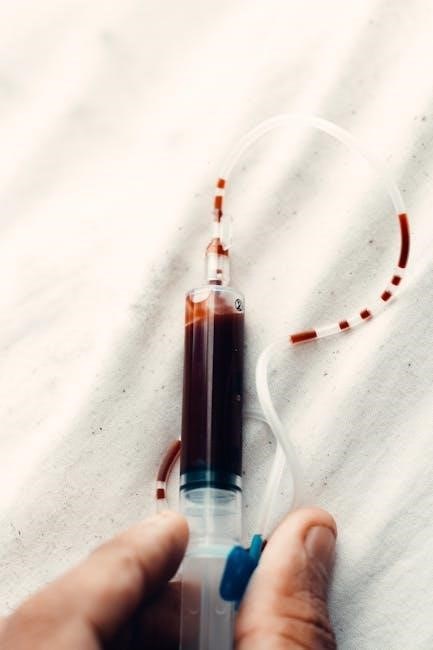
Cancer-related anaemia is a common complication, stemming from the disease itself or its treatment. Tumours can directly infiltrate the bone marrow, hindering red blood cell production. Chemotherapy and radiation therapy frequently suppress bone marrow function, leading to decreased erythropoiesis and increased red blood cell destruction;
Furthermore, chronic inflammation associated with cancer contributes to anaemia of chronic disease. Blood loss from tumours or treatment-related bleeding also plays a role. Management includes blood transfusions, erythropoiesis-stimulating agents, and addressing the underlying cancer. Early detection and intervention are vital for improving quality of life.
Specific Anaemia Classifications
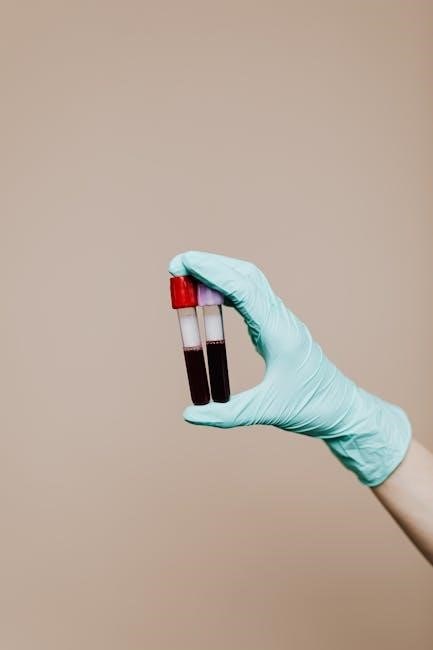
Anaemia is categorized by red blood cell size: microcytic (small), normocytic (normal), and macrocytic (large). These classifications guide diagnosis and pinpoint underlying causes effectively.
Microcytic Anaemias
Microcytic anaemias are characterized by red blood cells that are smaller than normal, indicated by a low Mean Corpuscular Volume (MCV) on a Complete Blood Count (CBC). The most prevalent cause is iron deficiency anaemia, stemming from inadequate iron intake, absorption issues, or blood loss.
Other, less common causes include thalassemia, a genetic blood disorder affecting haemoglobin production, and sideroblastic anaemia, where the bone marrow produces ringed sideroblasts. Diagnosis involves assessing iron studies – serum iron, ferritin, and transferrin saturation – alongside a peripheral blood smear to visualize the small red blood cells.
Effective treatment hinges on identifying and addressing the underlying cause, often involving iron supplementation for deficiency or specific therapies for genetic disorders.
Normocytic Anaemias
Normocytic anaemias present with red blood cells of normal size, as indicated by a typical Mean Corpuscular Volume (MCV) on a Complete Blood Count (CBC). These are often more challenging to diagnose than microcytic or macrocytic types, requiring a broader investigation.
Common causes include anaemia of chronic disease, frequently seen in inflammatory conditions or cancer, and aplastic anaemia, a rare condition where the bone marrow fails to produce enough blood cells. Haemolytic anaemias, where red blood cells are destroyed prematurely, can also present as normocytic.
Diagnosis necessitates evaluating underlying conditions, bone marrow aspiration, and assessing for signs of haemolysis. Treatment varies based on the root cause, ranging from managing chronic illnesses to blood transfusions.
Macrocytic Anaemias
Macrocytic anaemias are characterized by abnormally large red blood cells, reflected in a high Mean Corpuscular Volume (MCV) on a Complete Blood Count (CBC). These typically stem from impaired DNA synthesis, hindering proper red blood cell development.
The most frequent cause is folate deficiency anaemia, often due to inadequate dietary intake or malabsorption. Vitamin B12 deficiency (Pernicious Anaemia), resulting from impaired absorption, is another significant contributor. Certain medications and alcohol abuse can also induce macrocytosis.
Diagnosis involves assessing vitamin levels and identifying underlying causes. Treatment focuses on replenishing the deficient vitamin through diet or supplementation, often leading to rapid improvement.

Diagnosis of Anaemia
Diagnosis relies on a Complete Blood Count (CBC), peripheral blood smear, and further tests to pinpoint the specific type and underlying cause of anaemia.
Complete Blood Count (CBC)
A Complete Blood Count (CBC) is a foundational diagnostic tool for anaemia, providing crucial information about the components of your blood. It measures red blood cell count, haemoglobin levels, and haematocrit – the proportion of red blood cells to total blood volume;
Key indicators within a CBC help classify anaemia. Mean Corpuscular Volume (MCV) determines red blood cell size, categorizing anaemia as microcytic (small cells), normocytic (normal cells), or macrocytic (large cells). Haemoglobin concentration reveals the oxygen-carrying capacity.
Furthermore, the CBC assesses red cell distribution width (RDW), indicating variation in cell size, and reticulocyte count, reflecting bone marrow’s red blood cell production rate. These values, when analyzed together, guide further investigation into the specific type of anaemia present.
Peripheral Blood Smear
A peripheral blood smear is a microscopic examination of a blood sample, spread thinly on a glass slide. It’s a vital step in anaemia diagnosis, offering detailed insights beyond a CBC. Technicians assess red blood cell shape, size, and colour, identifying abnormalities indicative of specific anaemia types.
For instance, iron deficiency anaemia often reveals pale, small red cells (hypochromia and microcytosis). Sickle cell anaemia displays characteristic crescent-shaped cells. Spherocytes (spherical red cells) suggest hereditary spherocytosis or autoimmune haemolytic anaemia.
The smear also evaluates white blood cell and platelet counts, potentially uncovering underlying causes or co-existing conditions. It’s a relatively inexpensive and readily available test, providing valuable clues for accurate anaemia classification and guiding further diagnostic procedures.
Further Diagnostic Tests
Following initial assessments like CBC and peripheral smear, further tests pinpoint anaemia’s cause. Serum iron, ferritin, and transferrin levels evaluate iron stores, crucial for diagnosing iron deficiency. Vitamin B12 and folate levels identify deficiency anaemias, guiding targeted supplementation.
Reticulocyte count assesses bone marrow’s red blood cell production capacity; a low count suggests impaired production, while a high count indicates increased destruction. Bilirubin levels help detect haemolysis. Bone marrow aspiration, though invasive, provides a direct sample for detailed examination.
Genetic testing confirms haemoglobinopathies like sickle cell anaemia and thalassemia. These comprehensive tests ensure accurate diagnosis, enabling tailored treatment plans and improved patient outcomes.

Treatment Options for Anaemia
Effective anaemia treatment depends on the underlying cause, ranging from iron and vitamin supplementation to blood transfusions and, in some cases, bone marrow transplants.
Iron Supplementation
Iron supplementation is a cornerstone treatment for iron deficiency anaemia, aiming to replenish depleted iron stores within the body. Typically, ferrous sulfate, ferrous gluconate, or ferrous fumarate are prescribed, available in various forms like tablets, liquids, or even intravenous infusions for those with absorption issues.
Dosage varies based on severity, but consistent intake is vital, often for several months, to rebuild haemoglobin levels. Vitamin C enhances iron absorption, so combining supplements or consuming citrus fruits alongside iron-rich meals is beneficial. Common side effects include gastrointestinal upset, like constipation or nausea, which can be mitigated by starting with a lower dose and gradually increasing it.
Regular monitoring of iron levels via blood tests is crucial to assess treatment effectiveness and adjust dosage accordingly, ensuring optimal iron repletion and resolution of anaemia symptoms.
Vitamin B12 and Folate Therapy
Vitamin B12 and folate therapy addresses deficiencies causing megaloblastic anaemia, characterized by abnormally large red blood cells. B12 is crucial for DNA synthesis and neurological function, while folate plays a vital role in cell growth and division. Deficiency can stem from inadequate dietary intake, malabsorption (like in pernicious anaemia), or certain medications.
B12 is often administered via intramuscular injections, especially for malabsorption issues, though oral supplements are effective for dietary deficiencies. Folate supplementation, typically as folic acid, is readily absorbed orally. Dosage is tailored to the deficiency’s severity and underlying cause.
Monitoring blood levels is essential to ensure adequate response and prevent neurological complications associated with prolonged B12 deficiency. Combined therapy may be necessary in some cases.
Blood Transfusions
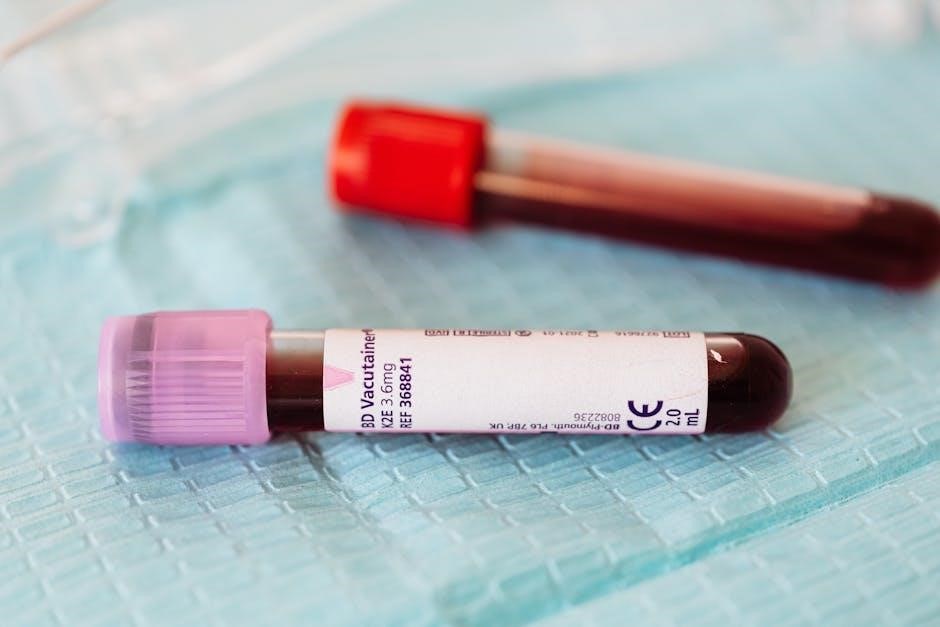
Blood transfusions are a critical intervention for severe anaemia, rapidly restoring red blood cell volume and oxygen-carrying capacity. They are typically reserved for cases where anaemia is life-threatening, such as acute blood loss, haemolytic anaemia, or when other treatments are insufficient. Transfusions involve carefully matched blood types to prevent adverse reactions.
Packed red blood cells are the most common type transfused, delivering a concentrated dose of haemoglobin. The decision to transfuse is based on haemoglobin levels, symptoms, and the patient’s overall clinical condition. Careful monitoring for transfusion reactions, like fever or allergic responses, is essential.
While effective, transfusions carry risks, including infection and iron overload with repeated administrations.

Preventing Anaemia
Proactive measures like a balanced diet rich in iron, folate, and vitamin B12 are key. Regular health check-ups can detect deficiencies early, enabling timely intervention.
Dietary Recommendations
Optimizing dietary intake is fundamental in anaemia prevention, particularly for iron-deficiency anaemia. Prioritize iron-rich foods such as red meat, poultry, fish, beans, lentils, and fortified cereals. Enhance iron absorption by pairing these with vitamin C-rich sources like citrus fruits, strawberries, and bell peppers.
For vitamin B12 deficiency, include foods like meat, eggs, and dairy products. Folate-rich options include leafy green vegetables, asparagus, and broccoli. Individuals following vegetarian or vegan diets should pay close attention to ensuring adequate intake of these nutrients through fortified foods or supplements. A well-rounded diet, tailored to individual needs, is a cornerstone of anaemia prevention and overall health.
Supplementation Strategies
When dietary adjustments prove insufficient, supplementation becomes crucial in addressing anaemia; Iron supplements, available in ferrous sulfate or gluconate forms, effectively replenish iron stores, but can cause gastrointestinal side effects. Vitamin B12 supplements, often administered via injections or high-dose oral tablets, are vital for pernicious anaemia.
Folate supplementation is recommended for folate deficiency anaemia, particularly during pregnancy. It’s essential to consult a healthcare professional before initiating any supplementation regimen to determine appropriate dosage and duration, avoiding potential toxicity. Regular monitoring of iron levels and vitamin status ensures optimal treatment efficacy and minimizes adverse effects.

Anaemia and Related Conditions
Anaemia frequently co-occurs with fatigue, significantly impacting quality of life. In pregnancy, iron deficiency anaemia poses risks to both mother and developing foetus, requiring careful management.
Fatigue and Anaemia
Fatigue is arguably the most common and debilitating symptom associated with anaemia, profoundly affecting daily life. This isn’t simply feeling tired; it’s a persistent, overwhelming exhaustion that doesn’t improve with rest. Reduced oxygen delivery to tissues, due to insufficient healthy red blood cells, is the primary driver of this fatigue.
The severity of fatigue often correlates with the degree of anaemia. Individuals may experience diminished physical capacity, difficulty concentrating, and reduced motivation. It can interfere with work, social activities, and overall well-being.
However, it’s crucial to remember that fatigue is a non-specific symptom, meaning it can be caused by numerous other conditions. Therefore, proper diagnosis of anaemia is essential to differentiate it from other potential causes and initiate appropriate treatment to alleviate the fatigue and improve quality of life.
Anaemia in Pregnancy
Anaemia during pregnancy is a significant concern, as the demand for red blood cells and iron dramatically increases to support both maternal and fetal development. Iron deficiency anaemia is the most prevalent type, impacting a substantial proportion of pregnant women globally. This can lead to increased risks of preterm birth, low birth weight, and maternal mortality.
Physiological anaemia of pregnancy, a normocytic anaemia, occurs due to increased plasma volume exceeding red blood cell production. Regular screening for anaemia is vital throughout pregnancy, typically via complete blood count (CBC) analysis.
Effective management involves iron supplementation, dietary adjustments, and, in severe cases, blood transfusions to ensure optimal maternal and fetal health outcomes.