
Danner Boot Overview
Danner boots‚ rooted in 1932‚ blend rugged durability with refined comfort. Their Portland‑based design ethos prioritizes timeless style‚ advanced materials‚ and precise fit. Unisex sizing accommodates diverse foot shapes‚ while meticulous construction ensures lasting performance.Each boot is tested!!!!
History and Reputation
Since 1932‚ Danner has built a reputation for rugged durability and timeless style.! Early models showcased hand‑stitched leather uppers and a silhouette‚ setting a standard for outdoor footwear.! In the 1950s‚ Danner introduced a waterproofing technique that preserved comfort after prolonged exposure to rain and mud.! The brand’s commitment to durability is evident in its use of high density leather and stitching‚ ensuring each boot withstands rugged terrain.! Today’s models incorporate breathable membranes and cushioned midsoles‚ marrying heritage craftsmanship with performance technology.! The company’s emphasis on quality control—testing each pair for fit‚ strength‚ and comfort—has cultivated a loyal following worldwide.! Danner’s early models featured hand‑stitched leather uppers and a simple‚ sturdy silhouette‚ setting a benchmark for outdoor footwear.! The brand’s reputation for longevity and performance continues to attract new generations of users who value both tradition and innovation in their footwear choices.! In the 1970s‚ Danner expanded its line to include lighter‚ more flexible boots without compromising durability.! Modern Danner boots now integrate advanced materials like Gore‑Tex and EVA foam to enhance breathability and shock absorption.! Their boots are engineered with a 3‑layer construction for support.! The company also offers a range of custom fittings to accommodate foot shapes.! Collectors praise Danner for its blend of classic aesthetics and technology.! Whether you’re hiking‚ working‚ or exploring‚ Danner boots promise reliable performance.!
Key Features for Fit
Choosing the right Danner boot begins with understanding the brand’s fit philosophy. Danner offers a “true‑size” system that aligns the foot’s natural length and width‚ ensuring a snug yet breathable experience. The boots feature a 3‑layer construction: a durable leather or textile outer shell‚ a mid‑sole for shock absorption‚ and a removable footbed that can be replaced with orthotic inserts. The lacing system is engineered for a customizable fit; the “heel‑lock” loop keeps the heel secure while the adjustable eyelets allow for a tailored snugness around the mid‑foot. Many models include a padded tongue and collar that reduce pressure points during long hikes or work shifts. Danner’s “Cushion‑Fit” technology places a soft EVA foam layer directly under the foot‚ providing both comfort and stability. The boots also feature a breathable membrane that keeps moisture out while allowing sweat to escape‚ preventing blisters. Width options range from narrow (N) to wide (W)‚ and the company’s “Wide‑Fit” models incorporate a slightly longer shaft to accommodate broader feet without compromising the boot’s structural integrity. Finally‚ Danner’s “Slip‑Resistant” outsole‚ made from a proprietary rubber compound‚ offers traction on wet or uneven terrain‚ reducing the risk of slips that can cause discomfort or injury. Together‚ these features create a boot that adapts to the wearer’s foot shape‚ activity level‚ and environmental conditions‚ delivering a reliable fit for any adventure. Experience the difference with Danner boots and confidence now.

Understanding Danner Sizing
Danner sizing follows a true‑size system that matches foot length to boot length. Width options (N‚ W) fit narrow to wide feet. Use a brand’s conversion chart for US‑EU sizes and try on with hiking socks for an accurate fit. Check last length before buying test!!!
Standard Size Conversion
When selecting a Danner boot‚ the first step is to translate your foot length into the brand’s sizing system. Danner uses a true‑size approach‚ meaning the length of the boot’s last is designed to match the measured length of your foot in inches or centimeters. To convert‚ measure your foot from heel to toe while standing‚ then add 0.5 inches (1.27 cm) for a snug fit or 0.75 inches (1.9 cm) for a looser feel. Once you have the measurement‚ consult Danner’s official chart: a 9.5 US foot equals a 9.5 US boot‚ which corresponds to a 24.1 cm last. For international shoppers‚ the conversion is straightforward—US size × 2.54 = cm. Keep in mind that the chart also lists equivalent EU‚ UK‚ and Japanese sizes‚ allowing you to cross‑reference if you’re ordering from a foreign retailer. Because Danner boots are manufactured in a single width (N) for most models‚ the length conversion is the most critical factor. If you have a foot that is unusually long or short for your size‚ consider the “+” or “–” size options that Danner offers for certain styles. Always pair your conversion with a real‑world fit test: try on the boot with the exact socks you plan to wear on the trail‚ walk a few steps‚ and check for any pressure points or gaps. This method ensures that the numerical conversion translates into a comfortable‚ supportive fit on the ground. Remember to adjust for your preferred sock thickness and boot flex!
Width Options and Availability
Danner boots are primarily offered in a neutral width (designated “N”)‚ suitable for most foot shapes. Some heavier work models now include a wider “W” option‚ adding roughly 0.5 inches (1.27 cm) to the last‚ while a narrower “D” width is available for slimmer feet. Availability varies by style and region: classic Mountain‚ Trail‚ and Work boots usually come only in neutral width‚ whereas newer 5‑Day and 7‑Day work boots list both neutral and wide options in the U.S. market. International retailers often use width codes (B‚ D‚ E) that correspond to Danner’s internal sizing‚ but the brand’s official online store lists only neutral and wide for most models. If your foot width falls outside the neutral range‚ consider ordering a “W” width or consulting a specialty bootmaker for a custom last. Always confirm width availability before purchasing‚ as limited‑edition or seasonal models may revert to a single width due to production constraints. This ensures a comfortable fit for all foot types‚ whether you’re hiking‚ working‚ or simply exploring. Now

Measuring Your Foot for Danner Boots
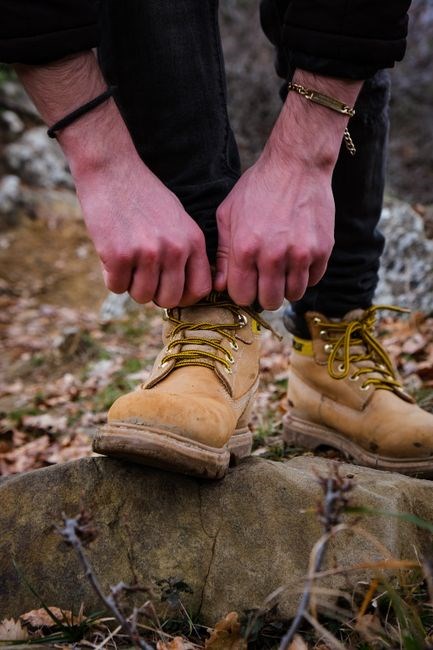
Measure your foot length and width with a ruler or a printable template. Place your heel against a wall‚ mark the longest toe‚ and record the distance. For width‚ measure the widest part of the foot. Compare these numbers to Danner’s size chart‚ noting that a 0.5‑inch width difference may require a wider.!
Step‑by‑Step Measurement Guide
Start by placing a piece of paper on a flat surface and standing with your feet shoulder‑width apart. Hold a pencil and trace the outline of each foot‚ ensuring the pencil stays perpendicular to the paper. This creates an accurate footprint for later measurements.
Next‚ measure the length of the traced outline from the heel to the tip of the longest toe. Record this measurement in inches or centimeters. Repeat the process for width by measuring the widest part of the foot‚ usually across the ball of the foot. Note these numbers carefully.
Use a Danner size chart to match your length and width to the recommended boot size. If your width falls between two options‚ choose the larger width for a more comfortable fit. Remember that Danner boots typically run slightly smaller‚ so consider adding 0.5 inches to your length if you prefer a looser fit.
Finally‚ try on the boots with the same socks you intend to wear. Walk around the room to check for any pressure points or gaps. If the boots feel snug at the toes but loose at the heel‚ adjust the lacing or consider a different model. A proper fit should feel secure yet flexible‚ allowing natural foot movement.
Remember that Danner boots are designed for durability‚ so a snug fit is essential for traction and stability. Pay attention to the heel cup and toe box; a slightly tighter heel cup prevents slippage‚ while a roomy toe box accommodates natural toe splay; This balance ensures long‑term comfort during rugged activities.
Use this guide to find a fit that feels right!!
Common Measurement Mistakes
One of the most common pitfalls when sizing for Danner boots is measuring your foot too early in the day. Feet swell after hours of standing or hiking‚ so a measurement taken in the morning may be 0.5 inches smaller than the true size needed for peak activity. This can lead to a boot that feels tight in the afternoon and during use.
Another frequent error is ignoring sock thickness. Danner boots accommodate standard hiking socks‚ but if you plan to wear thicker socks‚ add 0.25–0.5 inches to your length measurement. Skipping this adjustment can result in a cramped toe box.
Many buyers measure only one foot‚ assuming both are identical. However‚ even a slight difference in length or width can affect comfort. Measure both feet and choose the larger size to avoid a tight fit on the longer foot.
Using a ruler or tape measure directly on the foot instead of a paper outline can produce inaccurate results. The paper method captures the true shape of the foot‚ including the arch and heel contour‚ which a straight measurement may miss.
Failing to check the width of the foot is another common mistake. Danner offers narrow‚ medium‚ and wide options. A foot that feels narrow in a medium width boot may still feel cramped at the ball of the foot‚ if you have a high arch and causing blisters during long hikes.
Finally‚ neglecting to test the heel fit can lead to slippage. The heel cup should be snug but not tight; a loose heel can cause the boot to shift during walking‚ increasing the risk of blisters and instability.
Choosing the Right Danner Model for Your Foot Shape.
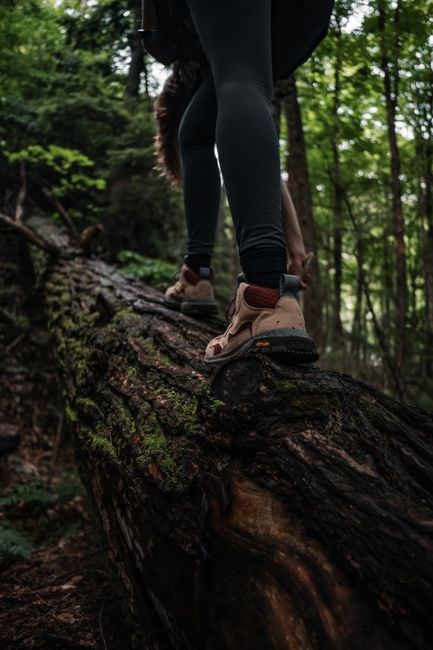
Flat feet suit the Danner Mountain 5‚ offering a wide toe box and arch support. Neutral arches fit the Mountain 6‚ balancing cushioning and stability. High arches thrive in the Mountain 8‚ with a roomy forefoot and reinforced midsole.
Flat‚ Neutral‚ and High‑Arch Foot Types
Flat feet benefit from boots that provide ample arch support and a wide toe box. The Danner Mountain 5‚ for instance‚ features a reinforced midsole and a generous forefoot that helps distribute pressure evenly‚ reducing pronation and enhancing stability during long hikes.
Neutral arches require a balanced blend of cushioning and support. Models such as the Mountain 6 deliver a responsive yet supportive sole‚ with a moderate arch that accommodates natural foot mechanics without excessive stiffness‚ ideal for varied terrain.
High‑arch feet demand a roomy toe box and a supportive midsole to prevent over‑pronation. The Mountain 8 offers a roomy forefoot and a supportive arch that keeps the foot secure‚ while the durable leather upper ensures protection against rough conditions.
When selecting a model‚ consider the width of your forefoot. Danner offers narrow‚ medium‚ and wide options‚ ensuring that even the widest toes find comfort. A snug fit at the heel prevents slippage‚ while a slightly looser toe area allows natural toe splay during movement.
After fitting‚ walk a few steps inside the boot to test for any pressure points. Pay attention to the ball of the foot and the heel; any tingling or discomfort indicates a need for additional insoles or a different width. A well‑fitted boot should feel like a second skin‚ not a constraint.
Finally‚ remember that environmental factors can affect fit. In hot climates‚ consider moisture‑wicking liners; in cold‚ add thermal liners to keep feet dry and warm.
Enjoy the trek..

Trying on Danner Boots
Start with socks that mimic hiking wear. Test each boot by walking a few steps; ensure the heel stays snug‚ the toe box allows natural spread‚ and the midsole feels supportive. Check for any pressure spots before committing. Adjust laces‚ walk‚ confirm comfort before buying.
In‑Store vs Online Fit Tips
Shopping for Danner boots online demands a meticulous approach. Begin by consulting the official sizing chart; Danner’s US‚ UK‚ and EU measurements are precise‚ yet individual variations exist.
Measure your foot length in centimeters‚ then cross‑check with the chart’s recommended size. If you fall between sizes‚ lean toward the larger one for room to grow‚ especially if you plan to wear thick hiking socks.
Next‚ research the model’s width options. Danner offers narrow‚ medium‚ and wide fits; the width is indicated in the product description.

For narrow feet‚ avoid the medium width unless the boot’s design is specifically engineered for a slimmer profile. Pay attention to the toe box shape—some models feature a rounded toe‚ others a pointed one—because this influences how your toes will feel during extended wear.
When you receive the boots‚ test them immediately. Put on the exact socks you intend to wear on the trail‚ lace them loosely‚ and walk around the store or your home. Notice any pinching at the heel‚ metatarsal region‚ or toes.
If the boot feels too tight‚ try a different width or a slightly larger size. If it feels loose‚ consider a tighter lace pattern or a different model. Finally‚ read customer reviews that mention fit. Many reviewers comment on whether the boots run true to size‚ too narrow‚ or too wide. Combine this anecdotal evidence with the manufacturer’s guidelines to make an informed decision. Remember‚ a well‑fitted boot is the foundation of safe‚ comfortable outdoor adventures. 20 more chars here.

What to Inspect During a Try‑On
When you slide your feet into a Danner boot‚ start with the toe box. It should accommodate your longest toe with a ½‑inch clearance; any pinching indicates a too‑tight fit. Next‚ evaluate the heel cup. A snug‚ non‑slipping heel prevents blisters‚ especially on steep terrain. Check the arch support: the boot’s mid‑sole should cradle the natural arch without forcing your foot into a flattened position.
Inspect the lacing system. Tight lacing should hold the heel in place‚ yet allow a slight wiggle for comfort. Test the flex by bending the front of the boot; it should flex naturally at the ball of the foot. Look for any seams or stitching that might rub against the skin during prolonged use.
Examine the boot’s exterior. Durable leather or nubuck should be supple yet robust; synthetic panels should be reinforced at stress points. Verify that the ventilation ports are free of obstructions‚ ensuring breathability. Finally‚ walk around the store or your home‚ feeling for any pressure points or instability. A well‑fitted boot will feel balanced‚ supportive‚ and ready for the trail.
Remember that a proper fit is a dynamic process; as your feet swell during long hikes‚ you may need to adjust lacing or add a thin insole. Always test boots on the trail before committing to a purchase‚ and consider a professional fitting if you have unique foot concerns. A well‑chosen Danner boot can transform your outdoor experience‚ offering unmatched support‚ durability‚ and confidence on every step. Stay safe!!!